
To establish a successful strategy, marketing for Vancouver local businesses must prioritize hyper-local search visibility and a community-centered social media approach. The most effective starting point is optimizing a Google Business Profile and creating short-form video content that highlights neighborhood-specific expertise. According to data from the Washington Small Business Development Center, businesses that integrate localized search tactics with active social engagement see a significant increase in physical foot traffic and service inquiries compared to those using broad national strategies.
This approach ensures that a business appears exactly when residents in Clark County are searching for immediate solutions. Success in the current market requires moving beyond simple keyword placement to focus on authentic community connection and technical performance. Genius Marketing provides these insights to help local service providers and retailers build a sustainable digital footprint that reflects the unique character of the Pacific Northwest.
Local Search and Geographic Authority
The foundation of local digital marketing remains the “Map Pack” on search engine results pages. For a Vancouver business, this means more than just listing an address. Profiles must be active hubs of information. Regularly uploading photos of recent projects in areas like Salmon Creek or the Vancouver Waterfront signals to search engines that the business is active in the community.
Localized keywords are also changing. Instead of generic terms, businesses should use specific neighborhood names and nearby landmarks. This helps capture “near me” searches from residents in specific pockets of the city, like Cascade Park or Felida. A report from the City of Vancouver, Washington, suggests that the city’s continued growth is creating distinct micro-markets, making neighborhood-level targeting essential for small business visibility.
Success in the current market requires moving beyond simple keyword placement to focus on authentic community connection and technical performance. For a deeper look at proven digital marketing strategies for local businesses, check out our complete guide.
Optimizing for Conversational AI Search
By 2026, search engines will use natural language processing to understand user intent. People no longer just type “electrician.” They ask their devices, “Who is a reliable electrician near Uptown Village that handles historic home wiring?” Website content should directly address these specific, long-form questions. Creating a page dedicated to local project stories or community-specific advice helps a business rank higher in these AI-driven conversational results.
Bonus Tip: Include a list of local zip codes, such as 98660, 98661, and 98683, in the website footer or about page to reinforce geographic relevance to search crawlers.
Community Centered Social Media Strategy
Social media in 2026 functions as a secondary search engine. Many Vancouver residents, particularly younger demographics, use platforms like Instagram and TikTok to find restaurants, contractors, and retail shops. A successful strategy involves being a digital neighbor rather than just a broadcaster. This means engaging with local Vancouver hashtags and participating in community discussions on platforms like Facebook or Nextdoor.
Utilizing Short Form Video for Trust
Video content is the most effective way to show the human side of a local business. Short clips showing a “day in the life” at a Vancouver storefront or a quick tip for maintaining a Clark County garden can build rapport before a customer ever picks up the phone. Authentic, unpolished video often performs better than highly produced commercials because it feels more genuine to a local audience.
Platform Selection and Local Engagement
Not every business needs to be on every platform. A professional services firm might find more value on LinkedIn by connecting with other Clark County business leaders, while a boutique in the Heights would thrive on Instagram. The key is consistent participation. Tagging other local businesses and mentioning local events like the Clark County Fair or the Vancouver Farmers Market increases the likelihood of being discovered by a local audience.
Bonus Tip: Join and contribute to Vancouver-specific Facebook groups. Providing free advice in these groups without a direct sales pitch builds a reputation as a helpful local expert.
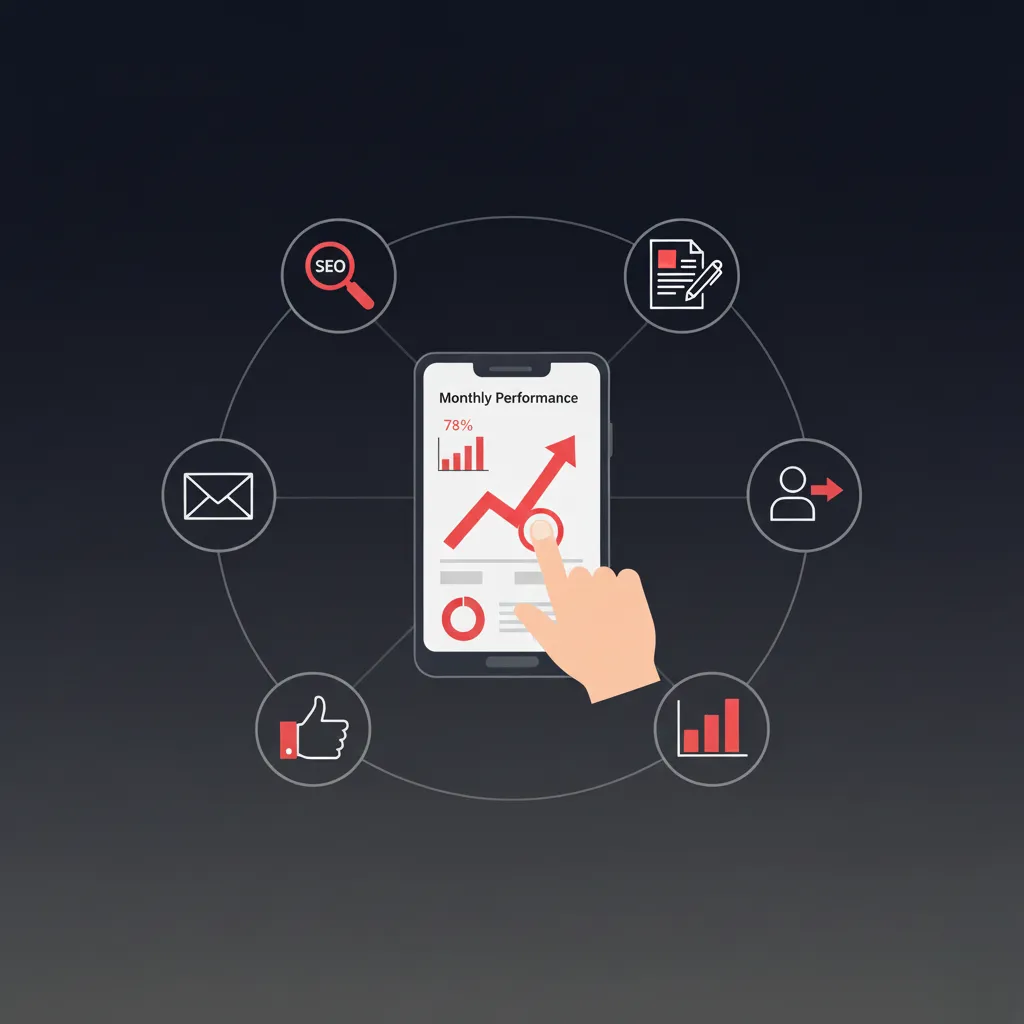
Comparison of Local Marketing Channels
Choosing where to invest time and budget is a frequent challenge for business owners. The following table outlines how different channels typically perform for Vancouver-based companies.
| Marketing Channel | Primary Goal | Local Reach | Speed of Results |
|---|---|---|---|
| Google Business Profile | Local Discovery | High | Moderate |
| Social Media (Organic) | Brand Trust | Moderate | Slow |
| Paid Social Ads | Lead Generation | Very High | Fast |
| Local SEO Content | Search Ranking | High | Slow |
| Email Marketing | Customer Retention | Low | Immediate |
Genius Marketing recommends a strategy that leads with a strong Google Business Profile and supplements it with consistent social media activity to build long-term brand equity.
Paid Advertising for Immediate Results
While organic strategies build long-term assets, paid advertising enables immediate lead generation. Google Local Services Ads are particularly effective for Vancouver contractors and home service providers. These ads appear at the top of the search results and carry a “Google Guaranteed” badge, which significantly boosts consumer confidence.
Geo-Fenced Social Advertisements
Social media platforms allow for precise geographic targeting. A business can run ads that only appear to users within a three-mile radius of their Vancouver location. This prevents budget waste on people who live too far away to be viable customers. According to the Greater Vancouver Chamber, businesses that use localized digital advertising report a higher quality of leads compared to those using non-targeted media.
Things to Consider Before Making a Decision
Evaluating internal resources and external market conditions is necessary before launching a new marketing initiative.
- Mobile User Experience: Ensure the website is easy to navigate on a smartphone. Most local searches happen while people are on the go.
- Review Management System: Have a plan for asking for and responding to reviews. Positive social proof is the most influential factor in a local buying decision.
- Content Consistency: Determine if there is enough time to post on social media regularly. Inconsistent posting can make a business look inactive.
- Budget Allocation: Decide how much to spend on ads versus long-term SEO. Paid ads stop working the moment the budget runs out, while SEO continues to provide value.
- Measurement Tools: Set up tracking to see exactly where leads are coming from. Knowing whether a customer found the business on Google or Instagram allows for smarter spending.
Evaluating Long-Term Marketing Goals
Building a digital presence is a continuous process that requires adjustments as technology and local market conditions change. Focus first on the platforms where Vancouver residents are most active and ensure all business information is accurate and accessible. Prioritize authentic engagement over generic advertising to build a loyal local following. By combining technical search optimization with a vibrant social media presence, a business can establish itself as a trusted name in the Clark County community. Regularly review performance data to ensure the strategy continues to meet the needs of both the business and its local customers.
Direct Support from Genius Marketing
Navigating the local digital market requires a clear plan and consistent execution. Genius Marketing provides professional marketing services for businesses in Vancouver, Washington, focusing on practical results and community growth. To explore how these strategies can be tailored to a specific business, reach out to the office at (360) 519-5100 or email [email protected]. The team is dedicated to helping local companies in the Pacific Northwest reach their full potential through modern, data-driven marketing techniques.
Frequently Asked Questions
Does social media help with local search rankings?
Social media does not directly change search rankings, but the traffic and brand mentions it generates provide signals to search engines that the business is popular and relevant to the local area.
How many reviews does a Vancouver business need to stay competitive?
It is less about the total number and more about recency and quality. A business with ten five-star reviews from the last month often looks better than a competitor with fifty reviews from three years ago.
Is a website still necessary if I have a strong social media presence?
Yes. A website is a digital asset that the business owns. Social media platforms can change their algorithms or policies at any time, but a website remains a stable place to provide detailed information and capture leads.
What is the best way to get more local followers on social media?
Engage with other local entities. Follow Vancouver-based influencers, tag local landmarks, and use location stickers on stories. This puts the profile in front of people who are already interested in the Vancouver area.
Should I use automated tools for my social media posts?
Automation can help with scheduling, but it should not replace real-time interaction. Responses to comments and messages should always be handled by a person to maintain a genuine local connection.
Sources
- Washington Small Business Development Center – Provides economic data, research, and technical assistance for small businesses across Washington.
- City of Vancouver, Washington – The official municipal website offering local business resources and economic development information.
- Greater Vancouver Chamber – A key organization supporting business growth and community engagement in the Clark County region.