
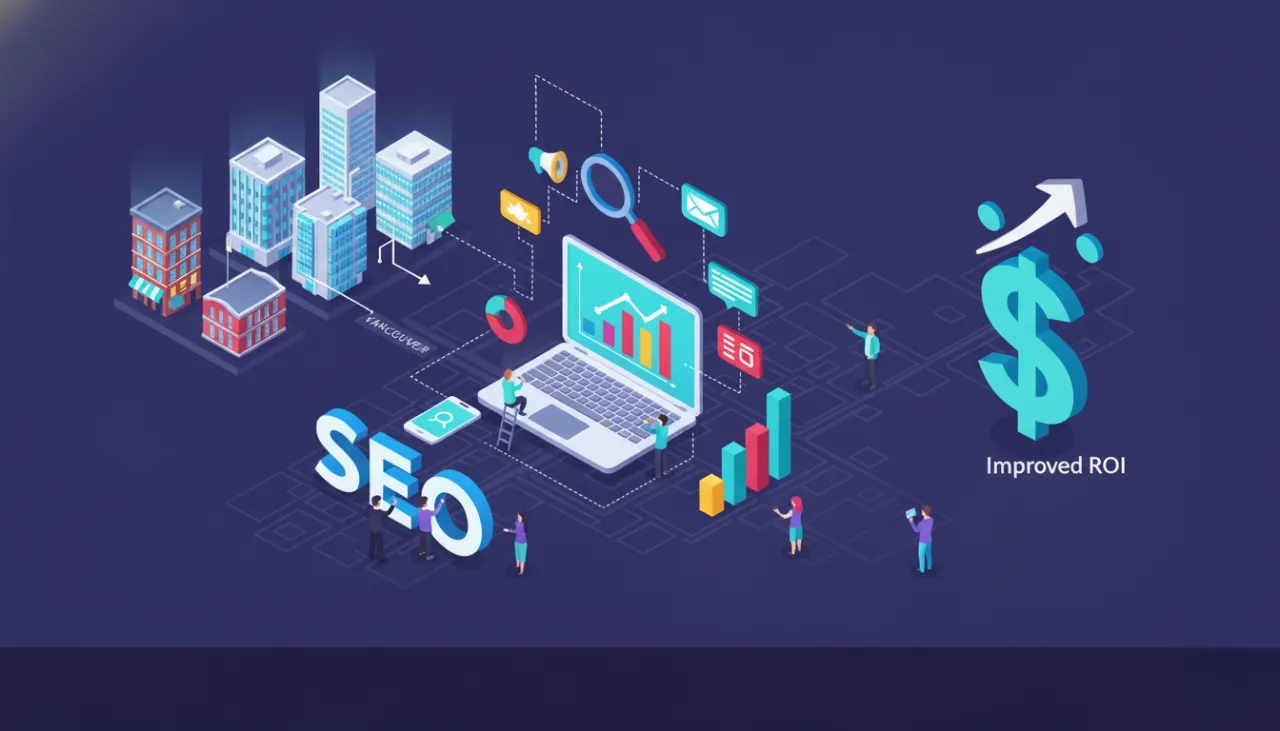
Digital marketing improves ROI for Vancouver, WA businesses by replacing broad, expensive advertising methods with precise, data-backed strategies that lower customer acquisition costs. Unlike traditional media, where you pay for potential exposure, digital channels allow business owners to pay only for specific interactions, such as clicks, views, or conversions. This shift ensures every dollar spent targets an audience already interested in the product or service, resulting in higher conversion rates and less wasted budget.
For a local business in Vancouver, competing with larger corporations requires agility and targeted marketing rather than raw spending power. Leveraging tools such as local SEO, pay-per-click advertising, and email automation creates a system in which marketing becomes a measurable revenue generator rather than a vague expense. With over a decade of experience analyzing local market trends, the following insights break down exactly how digital shifts impact the bottom line.
Precision Targeting Reduces Budget Waste
The primary way digital marketing boosts return on investment is by eliminating the “spray and pray” approach associated with radio or print ads. A boutique on Main Street does not need to pay for listeners in North Vancouver if its primary customer base lives within a five-kilometer radius. Digital platforms allow for geo-fencing, which restricts ad visibility to specific neighborhoods or even city blocks.
This granular control extends beyond geography. Platforms like Google and Facebook allow businesses to filter audiences by interests, behaviors, and purchase intent. This means a vegan bakery can show ads specifically to people who search for dairy-free recipes or follow plant-based lifestyle pages. By narrowing the focus, the budget only supports reaching people with a high probability of buying.
Bonus Tip
Use negative keywords in your search campaigns. If you offer professional home remodeling services, add terms like “DIY,” “free,” or “cheap” to your negative keyword list. This stops your ads from showing to users looking for low-cost or do-it-yourself solutions, keeping your budget focused on serious homeowners ready to hire professionals.
Data Analytics Drive Smarter Spending
Traditional marketing often leaves business owners guessing which efforts resulted in sales. Digital marketing removes this ambiguity by tracking every user interaction. You can see exactly which keyword brought a customer to your site, which email led to a purchase, and which social media post generated a phone call.
This transparency allows for real-time budget allocation. If one marketing channel generates leads more effectively than another, you can pause the less effective campaign and reallocate funds to the better-performing channel immediately. According to a McKinsey & Company report, companies that use data-driven marketing see significant improvements in efficiency and revenue growth compared to those that do not.
Comparing Traditional vs Digital Channels
Understanding the cost structures of different marketing avenues clarifies why digital methods often yield higher returns. The table below outlines the differences in cost control and measurement between traditional techniques and their digital counterparts.
| Feature | Traditional (Print/Radio/Billboards) | Digital (SEO/PPC/Email) |
|---|---|---|
| Entry Cost | High (Requires upfront production and placement fees) | Low (Can start with as little as $10/day) |
| Targeting | Broad (Based on circulation or listenership) | Precise (Demographics, location, behavior) |
| Adjustment Speed | Slow (Weeks or months to change creative) | Instant (Changes go live immediately) |
| Measurability | Low (Estimates based on circulation) | High (Exact tracking of clicks and conversions) |
| Waste Factor | High (Paying for uninterested eyes/ears) | Low (Targeting filters out unqualified leads) |
Customer Retention Increases Lifetime Value
ROI for Vancouver businesses is not just about the first sale; it is about the customer’s lifetime value. Digital marketing excels at retaining customers through cost-effective channels like email marketing and retargeting. It costs significantly less to convince an existing customer to buy again than it does to find a new one.
Research from Bain & Company shows that increasing customer retention by just 5% can boost profits by 25% to 95%. For home remodeling businesses, automated email sequences can send project follow-up messages, seasonal maintenance tips, or exclusive offers to past clients. This keeps your services top-of-mind without incurring heavy new advertising costs. For example, a remodeling company can automate reminders for home improvement check-ins or seasonal upgrades, ensuring a steady stream of returning clients with minimal manual effort.
Things to Consider Before Making a Decision
Before shifting a marketing budget entirely to digital, specific factors need to be evaluated to ensure the strategy aligns with the business model.
- Website Readiness: Driving traffic to a slow or confusing website wastes money. The landing page must be optimized for conversions before ads begin.
- Time vs. Money: SEO and organic content take time to build momentum but offer long-term ROI. PPC offers immediate results, but stops working the moment the payment stops.
- Competitive Landscape: In competitive markets like plumbing services in Vancouver, the cost per click tends to be higher. To get results, your budget needs to match local market rates.
- Resource Availability: Digital marketing requires monitoring. If no one can manage the campaigns or respond to leads quickly, the ROI will plummet regardless of the strategy’s quality.
For a deeper understanding of how all digital channels work together to drive sustainable growth, explore our Complete Guide to Digital Marketing for Local Business Growth.

Strategic Insights on Social Media and Reviews
Does social media actually drive sales? For B2C businesses (like retail or restaurants), social media drives direct sales through visual appeal. For B2B businesses, it builds credibility and trust, which supports the sales team during negotiations.
How do reviews impact ROI? Reviews are critical. A Harvard Business Review study suggests that a one-star increase in rating can lead to a 5-9% increase in revenue. Managing a Google Business Profile to encourage positive reviews directly impacts the effectiveness of all other marketing efforts.
Bonus Tip
Respond to every review, positive or negative. It shows potential customers that the business is active and cares about client satisfaction. This simple action can increase the conversion rate of users who find your profile.
Conclusion
Digital marketing improves ROI for Vancouver small businesses by replacing guesswork with precision. It allows owners to target specific neighborhoods, track every dollar spent, and pivot strategies in real time based on complex data. By focusing on customer retention and reducing acquisition costs, digital channels provide a competitive advantage that traditional media cannot match. Success requires evaluating current assets, setting a realistic budget, and committing to a continuous testing and refining process.
Improve Your Business Growth
Stop wasting money on advertising that you cannot track. Genius Marketing helps Vancouver business owners build precise, data-driven campaigns that turn clicks into revenue. Whether you need to refine your local targeting or build a retention system that works on autopilot, the right strategy makes the difference. Contact us at (360) 519-5100 or email our team to discuss your goals. Let’s make your marketing budget work harder for you.
Frequently Asked Questions
How long does it take to see a positive ROI from Digital Marketing?
Paid advertising (PPC) can generate returns in the first month if managed correctly. Search Engine Optimization (SEO) typically requires 4 to 6 months to show a significant return on investment, but the results are more sustainable long-term.
What is a good ROI ratio for marketing?
A 5:1 ratio is generally considered strong for most industries, meaning every dollar spent generates five dollars in revenue. A ratio below 2:1 usually indicates profitability issues that need to be addressed.
Should I focus on Google or Facebook?
This depends on user intent. Google captures users actively searching for a solution (high intent), making it better for immediate sales. Facebook creates demand by showing ads to users based on their interests, which helps drive brand awareness and support innovative products.
Is email marketing still effective?
Yes, email marketing consistently offers the highest ROI of any digital channel because it costs nearly nothing to send messages to a list of people who have already opted in.
How do you track and measure marketing ROI?
Marketing ROI is tracked using metrics such as leads, conversions, cost per acquisition, revenue generated, and return on ad spend. Tools like analytics dashboards and conversion tracking help measure which channels produce the best results.
Sources
- McKinsey & Company – Analysis on how data-driven marketing strategies outperform traditional methods in growth and efficiency.
- Bain & Company – Research highlighting the correlation between customer retention rates and significant profit increases.
- Harvard Business Review – A study detailing the direct financial impact of online ratings and reviews on revenue.