SEO vs Google Ads both generate patients, but they serve different roles in a marketing strategy. Google Ads delivers immediate visibility and fast patient acquisition, while SEO builds long-term, sustainable growth and authority over time.
Google Ads works by placing paid listings at the top of search results instantly, where you pay per click. SEO focuses on improving your website so it ranks organically without paying per click.
For medical practices, Google Ads is best for quick patient flow and filling schedule gaps, while SEO is better for long-term growth and reducing reliance on paid advertising. The strongest strategy is combining both. The strongest strategy is combining both. Learn more about the differences in this SEO vs Google Ads comparison guide.
TLDR / Key Takeaways
- Google Ads cost per click: typically $2–$20+ depending on specialty
- SEO cost: $1,000–$5,000+/month with no per-click fees
- Speed: Ads generate patients in days; SEO takes 3–6+ months
- ROI: Ads = short-term; SEO = long-term compounding returns
- Control: Ads allow precise targeting and budget control
- Trust factor: SEO often converts better due to higher credibility
- Best use case: Ads for immediate leads; SEO for long-term dominance
- Top strategy: Combine both for maximum patient acquisition
How Google Ads Works for Medical Practices
Google Ads is a pay-per-click advertising system that allows medical practices to appear at the top of search results instantly by bidding on keywords such as “dentist near me” or “urgent care.”
Key Characteristics
- Pay-per-click (you only pay when clicked)
- Immediate visibility in search results
- Advanced targeting (location, demographics, time, device)
- High-intent traffic from people actively searching for care
Advantages
- Fast patient acquisition
- Scalable with budget increases
- Highly targeted campaigns
- Ideal for promotions and urgent services
Disadvantages
- Stops generating leads when you stop paying
- Can become expensive in competitive niches
- Requires ongoing optimization
Example
A dermatology clinic targeting “acne treatment near me” may pay $10–$25 per click. If 10% convert, the cost per patient can range from $100–$250.
How SEO Works for Medical Practices
Search Engine Optimization is the process of improving your website to rank organically on search engines without paying per click.
Key Components
- On-page SEO (keywords, content, structure)
- Technical SEO (site speed, mobile optimization)
- Local SEO (Google Business Profile optimization)
- Authority building (backlinks and citations)
Advantages
- Free organic traffic after rankings are achieved
- Builds long-term authority and trust
- Higher click-through rates than ads
- Sustainable patient acquisition
Disadvantages
- Slow results (3–6+ months)
- Requires consistent effort and expertise
- Affected by search engine algorithm updates
Example
A dental clinic ranking for “family dentist in [city]” can receive consistent monthly traffic without paying per click, leading to predictable patient growth.

SEO vs Google Ads Comparison Table
| Factor | Google Ads | SEO |
| Speed | Immediate (1–7 days) | Slow (3–6+ months) |
| Cost | Pay per click ($2–$20+) | Monthly investment ($1K–$5K+) |
| Traffic Type | Paid | Organic |
| Sustainability | Stops when budget stops | Long-term compounding |
| Trust Level | Lower (ad label) | Higher (organic results) |
| Control | High | Moderate |
| ROI Timeline | Short-term | Long-term |
| Best For | Immediate patient flow | Brand authority & growth |
Cost Breakdown: SEO vs Google Ads
Google Ads Costs
- Cost per click: $5–$30 in medical niches
- Monthly ad spend: $1,500–$15,000+
- Management fees: $500–$3,000/month
SEO Costs
- Local SEO: $1,000–$3,000/month
- Competitive SEO: $3,000–$10,000/month
- Initial setup: $2,000–$5,000
Key Insight
Google Ads provides immediate results but requires ongoing spending, while SEO builds long-term value that compounds over time.
Real-World Scenarios
Scenario 1: New Medical Practice
A new orthopedic clinic needs patients quickly.
- Google Ads generates immediate appointments
- SEO builds long-term visibility and authority
Scenario 2: Established Practice
A dental office wants consistent growth.
- SEO reduces dependency on paid ads
- Ads fill schedule gaps and promote services
Scenario 3: Competitive Market
A cosmetic surgery clinic in a major city.
- Aggressive Ads bring high-intent leads
- SEO builds authority in a competitive niche
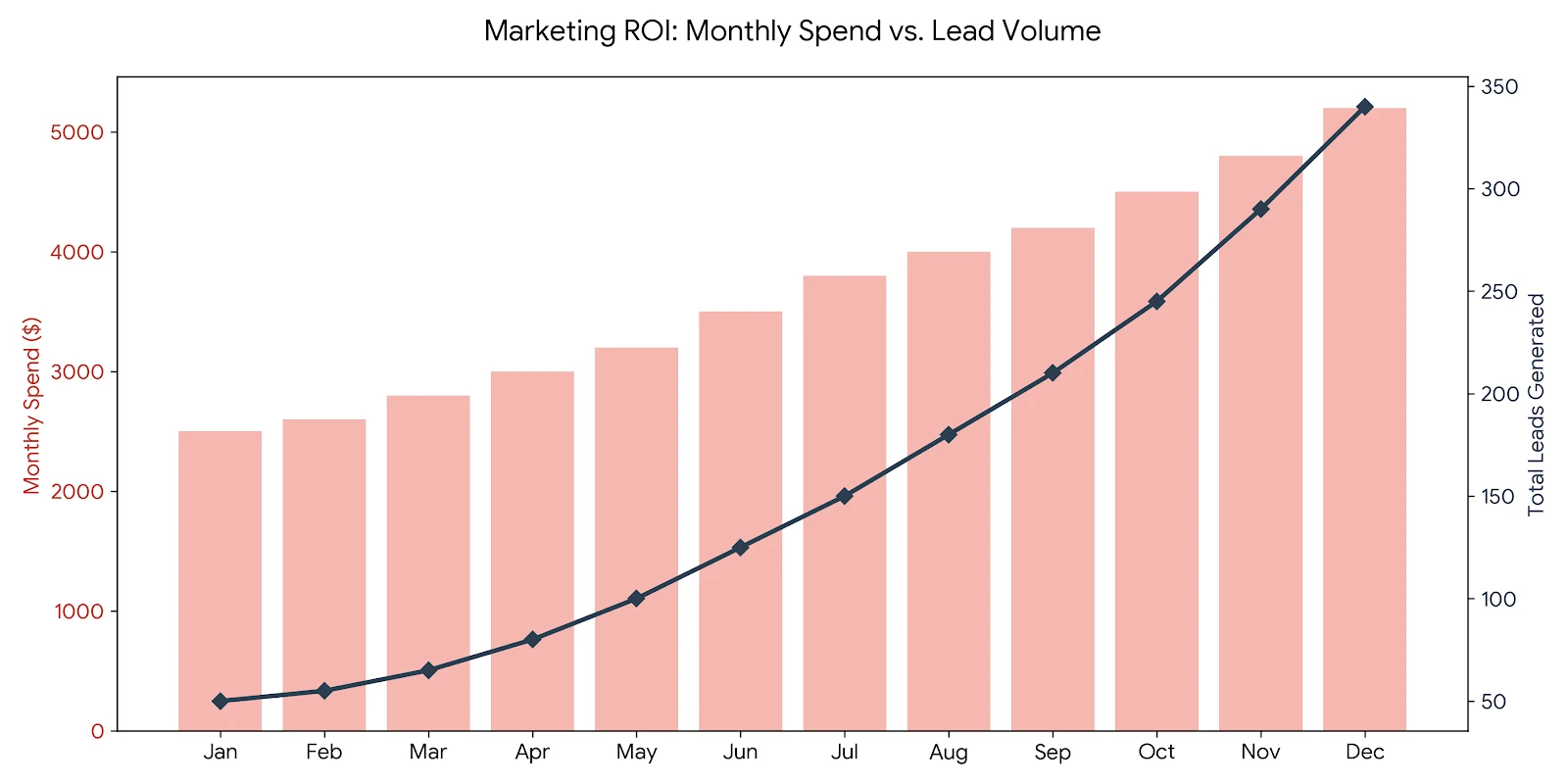
Which Gets More Patients?
- Short-term (0–3 months): Google Ads
- Mid-term (3–6 months): Ads + early SEO overlap
- Long-term (6–12+ months): SEO becomes more cost-efficient
According to research from WordStream and Google, paid search drives immediate conversions, while organic search often delivers stronger long-term ROI and trust.
The Best Strategy: Combine SEO + Google Ads
Why It Works
- Ads provide immediate patient flow
- SEO builds long-term authority
- Data from Ads improves SEO targeting
- SEO reduces long-term marketing costs
Example Strategy
- Ads for high-intent keywords (e.g., “emergency dentist”)
- SEO for informational and local keywords
- Retargeting to convert visitors into patients
Common Mistakes to Avoid
- Relying only on paid ads
- Ignoring SEO entirely
- Poor landing page optimization
- Not tracking conversions
- Targeting overly broad keywords
Get More Patients with a Proven Strategy
If your medical practice wants consistent patient flow, you need a system that combines immediate results with long-term growth. A combined SEO and Google Ads strategy ensures your practice stays visible, competitive, and profitable.
Partner with Genius Marketing to build a patient acquisition system tailored to your practice.
Genius Marketing
Call:(360) 519-5100
Email: [email protected]
FAQs
How long does SEO take to bring patients to a medical practice?
SEO typically takes 3–6 months to show measurable results. In competitive markets, it can take longer to achieve strong rankings and consistent traffic.
Is Google Ads worth it for small medical practices?
Yes. Google Ads can generate high-intent leads quickly, making it ideal for new or growing practices that need immediate patient flow.
Which is more cost-effective long term: SEO or Google Ads?
SEO is generally more cost-effective long-term because it continues generating traffic without paying per click, unlike ads which require ongoing spending.
Can medical practices use both SEO and Google Ads together?
Yes. Combining both strategies is the most effective approach—Google Ads drives immediate patients, while SEO builds long-term authority and traffic.
How much should a medical practice spend on Google Ads?
Budgets typically range from $1,500 to $10,000+ per month depends on competition, location, and specialty.
Sources
- WordStream – https://www.wordstream.com
- Google – https://ads.google.com/home/